
zum Inhalt springen

Where responsibility meets the future

Within our research projects and the development of teaching materials, we highlight pathways to sustainable freight transport that involve the meaningful combination of different modes of transport. In doing so, we help to raise awareness of environmentally friendly logistics solutions and convey the potential of modal shift – particularly towards inland waterways – in a well‑founded and practice‑oriented way.
Why does this matter?

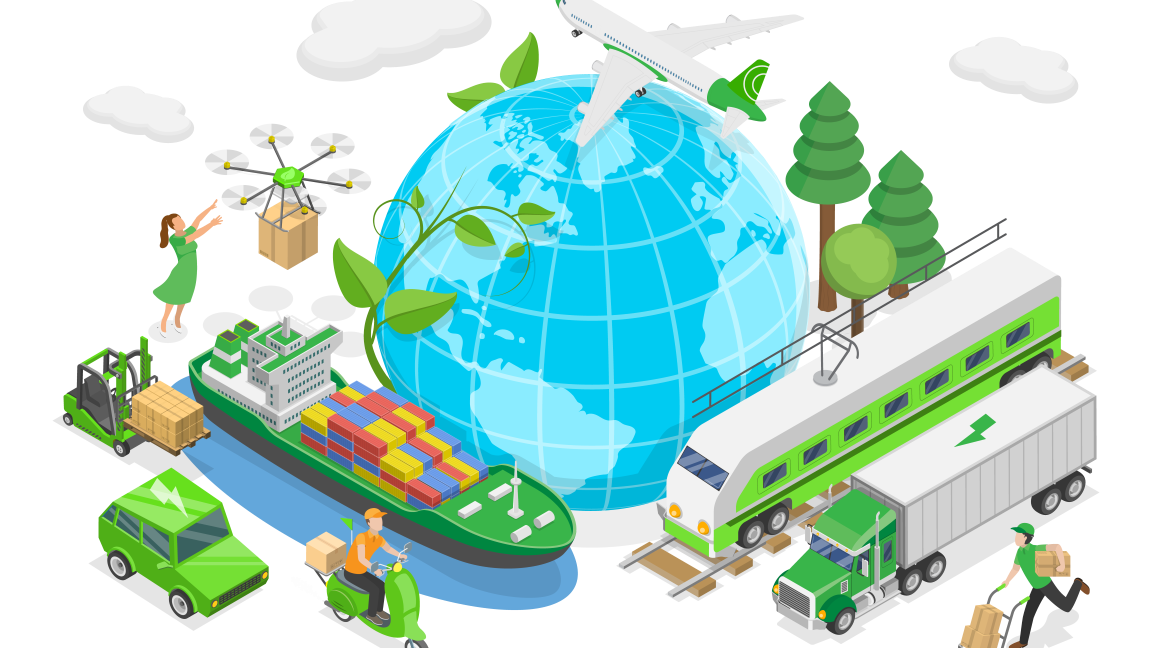
globe with transport network
Adobe Stock

The transport sector is responsible for around one fifth of global emissions, and emissions from road transport continue to rise sharply. Today, road transport accounts for about 75% of all transport-related emissions — a clear sign that action is urgently needed.

A key lever for change is the modal shift: moving freight from road to more climate‑friendly modes such as inland waterways. Equally important is the mental shift - raising awareness among young people and future decision‑makers and equipping them with knowledge about sustainable transport solutions.

Sustainable transport on the waterway

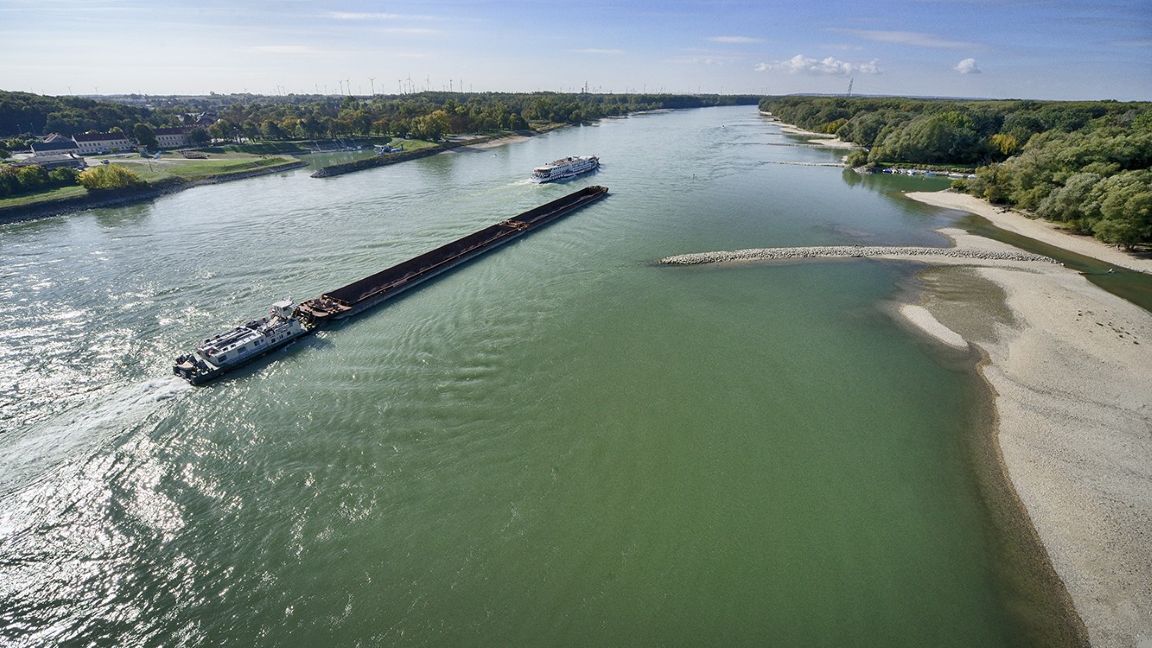
inland vessel on the Danube
viadonau, Zinner

Inland waterway transport is a recognized sustainable mode of transport: low-emission, energy‑efficient, and quiet. It forms an essential component of multimodal transport and plays a central role as a reliable part of sustainable transport chains. Inland navigation offers major advantages, especially for high & heavy shipments, bulk goods, and wherever large transport volumes are required. On the Danube, additional free capacities are available – an opportunity that should be used to relieve traffic and make transport more climate-friendly.

With REWWay, we actively support this transformation - through knowledge, awareness, and hands‑on learning opportunities that help make sustainable logistics a reality, step by step.